
The psychology behind risk understanding the thrill in gambling decisions
The Allure of Risk in Gambling
The thrill of gambling is inherently tied to the concept of risk. When players place bets, they engage in a dance with uncertainty, where the potential for both loss and gain creates an electrifying atmosphere. This interplay is what keeps many returning to gambling tables, whether in physical casinos or online environments. The excitement that arises from taking calculated risks can ignite feelings of euphoria, making it an intoxicating pursuit for many individuals. For instance, the fast-paced action of Cricket Duel provides a unique betting experience that captures the essence of this thrill.

Psychologically, this attraction to risk is deeply rooted in our brain’s reward system. Neurotransmitters like dopamine are released when we anticipate a win, creating a rush that can be addictive. The unpredictability of outcomes adds to this high-stakes environment, compelling players to chase the next big win. This rollercoaster of emotions draws individuals in, leading them to overlook the rational risks involved. Understanding this dynamic helps explain why many gamblers embrace the thrill, often even at the expense of their financial stability.
Furthermore, social factors can heighten the appeal of gambling risks. Many people enjoy the communal experience of betting in a lively environment, where shared emotions amplify the thrill of each play. Engaging in risk-taking with friends can create lasting bonds and memories, which further entrenches gambling as a popular recreational activity. Ultimately, the allure of risk in gambling is a potent mix of personal thrill, neurological responses, and social dynamics that perpetuates the behavior across generations.
The Role of Cognitive Biases in Gambling
Cognitive biases play a significant role in how gamblers perceive risk and make decisions. One prevalent bias is the „gambler’s fallacy,“ where individuals believe that past outcomes affect future events. For example, a player might think that after a series of losses, a win is „due,“ leading them to take larger risks. This faulty reasoning can drive gamblers to make irrational decisions, hoping for an impending stroke of luck based on misconceptions about probability.
Another common bias is the „illusion of control,“ where players believe they can influence the outcome of games that are fundamentally based on chance. This belief can lead to a false sense of mastery and encourage riskier bets. Gamblers often think they possess skills or strategies that can tilt the odds in their favor, fostering a mindset that perpetuates risk-taking behaviors. Such biases highlight the complexity of human psychology in gambling contexts, demonstrating how players‘ perceptions can skew their understanding of reality.
Moreover, the concept of overconfidence in one’s gambling skills further compounds these cognitive biases. Many players assume they can outsmart the odds, which can result in escalating stakes and increasingly risky decisions. This overconfidence, coupled with the emotional highs and lows of gambling, creates a dangerous cycle that can lead to compulsive behavior and significant financial losses. Addressing these cognitive biases is essential for those looking to understand the psychology behind gambling decisions and their implications.
The Impact of Emotional Responses on Gambling Choices
Emotions are powerful influencers in gambling decisions, often overshadowing rational thought processes. When people experience excitement, they may find themselves making impulsive bets or escalating their wagers beyond their means. This emotional rollercoaster can create a feedback loop where wins lead to elevated emotions, prompting further risky behavior, while losses may induce despair, leading players to chase their losses in an attempt to regain what they’ve lost.
Moreover, the role of stress and anxiety cannot be understated. Many gamblers turn to gambling as an escape from everyday pressures or emotional turmoil. This coping mechanism may lead to a temporary thrill, but it can also fuel a cycle of dependency, where the individual increasingly relies on gambling to alleviate negative feelings. Understanding the emotional triggers that drive gambling behavior can provide valuable insight into the psychology behind risk and the choices made at the gambling table.
Additionally, the excitement of gambling can trigger a surge of adrenaline, which enhances emotional arousal. Players often seek this rush, leading them to take risks they might otherwise avoid in more sober circumstances. The challenge lies in recognizing how emotions can distort judgment and lead to detrimental choices. Learning to identify and manage these emotional responses can empower gamblers to make more informed decisions, ultimately creating a healthier relationship with risk.
Strategies for Responsible Gambling
Understanding the psychology behind risk can inform strategies for responsible gambling. One effective approach is setting strict limits on time and money spent on gambling activities. By establishing clear boundaries, players can enjoy the thrill without succumbing to the potential pitfalls of unchecked risk-taking. This structured approach promotes a healthier relationship with gambling by prioritizing enjoyment over obsession.
Additionally, developing self-awareness is crucial for managing emotional responses associated with gambling. Players can benefit from reflecting on their motivations for gambling and recognizing when emotional states influence their decisions. By adopting mindfulness techniques, individuals can learn to pause and assess their feelings before placing bets, helping them to make choices grounded in rationality rather than impulse.
Engaging in responsible gaming practices, such as taking breaks and avoiding gambling during emotional lows, can mitigate the risks associated with gambling. Education around cognitive biases and emotional triggers can further empower individuals to navigate their gambling experiences more effectively. By equipping themselves with knowledge, players can turn the thrill of gambling into a manageable form of entertainment rather than a harmful obsession.
Exploring the Excitement of Online Gambling
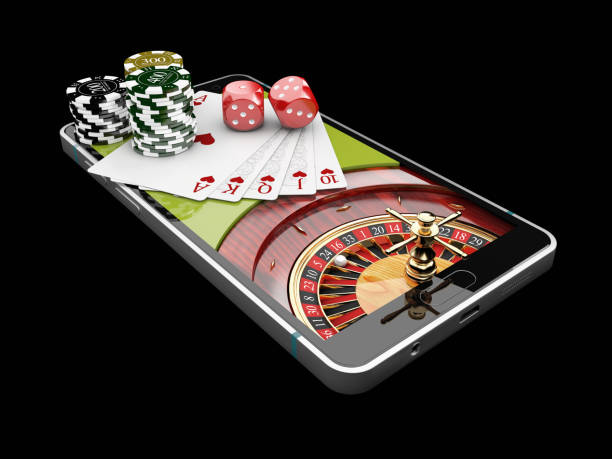
Online gambling has revolutionized the gaming landscape, making the thrill of risk more accessible than ever. With a plethora of games available at players’ fingertips, the excitement can be both exhilarating and overwhelming. This convenience contributes to the rising trend of online betting, where individuals can easily indulge in their gambling habits without the constraints of time and physical locations. As a result, the psychological implications of gambling in a digital age warrant careful consideration.
The instant gratification offered by online gambling platforms can amplify the thrill and risk associated with betting. Players can instantly place wagers and receive immediate feedback on their outcomes, which heightens emotional responses and can encourage impulsive behavior. This immediacy can create a cycle of reward-seeking behavior that is difficult to break, especially for those already susceptible to addictive tendencies.
Moreover, online gambling platforms often employ strategies to keep players engaged, such as loyalty programs and targeted promotions. These techniques can further entrench risk-taking behaviors, as players may feel compelled to chase bonuses or rewards. By fostering an understanding of these digital dynamics, players can better navigate the online gambling landscape while being mindful of the psychological risks at play.